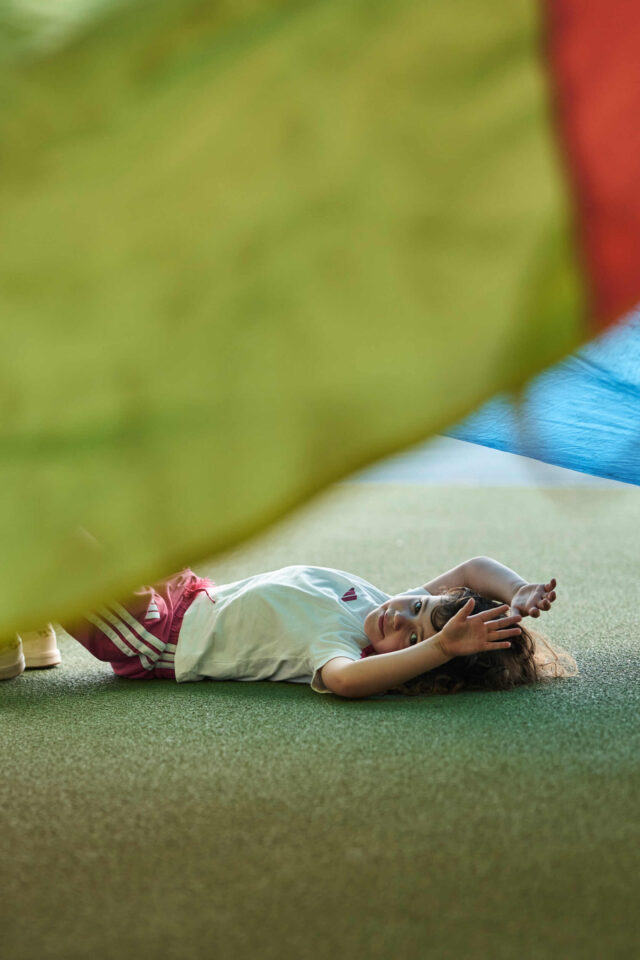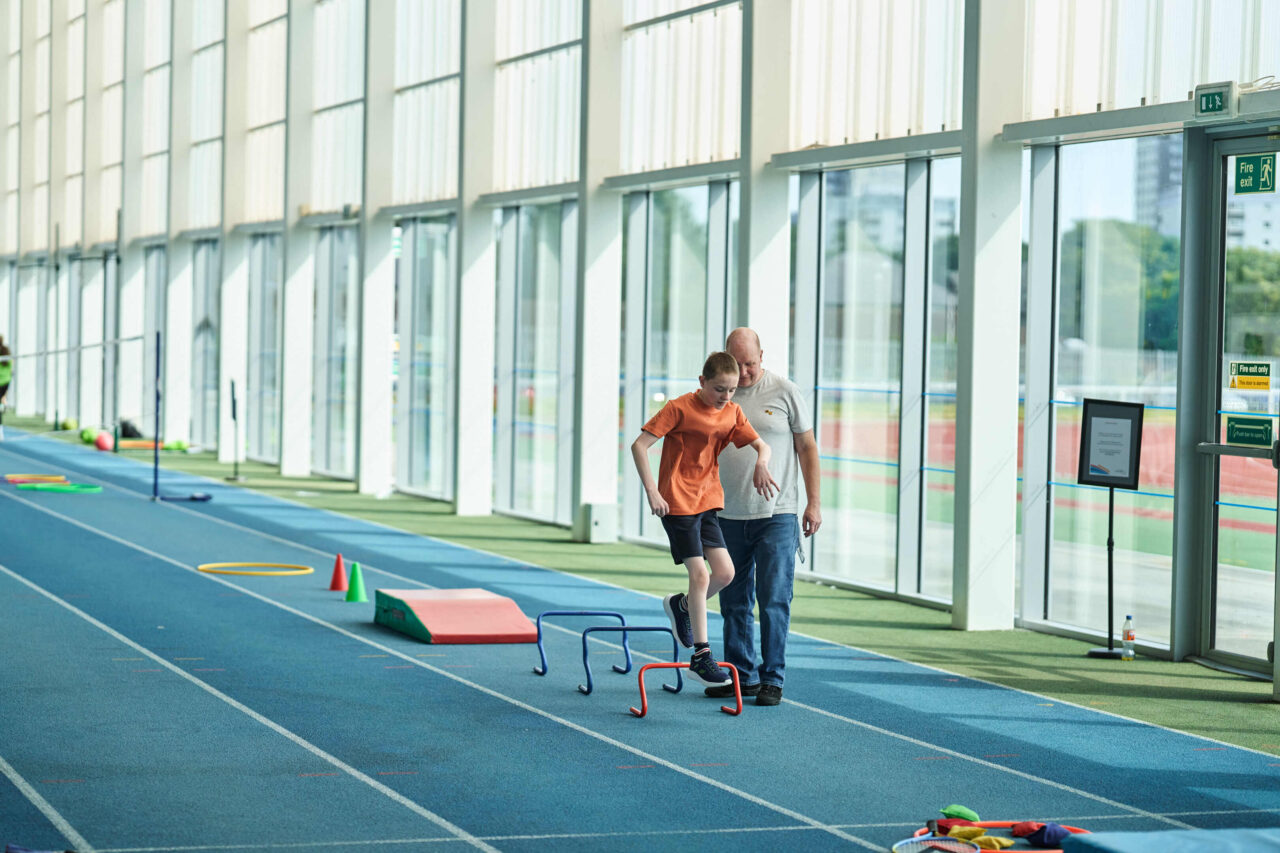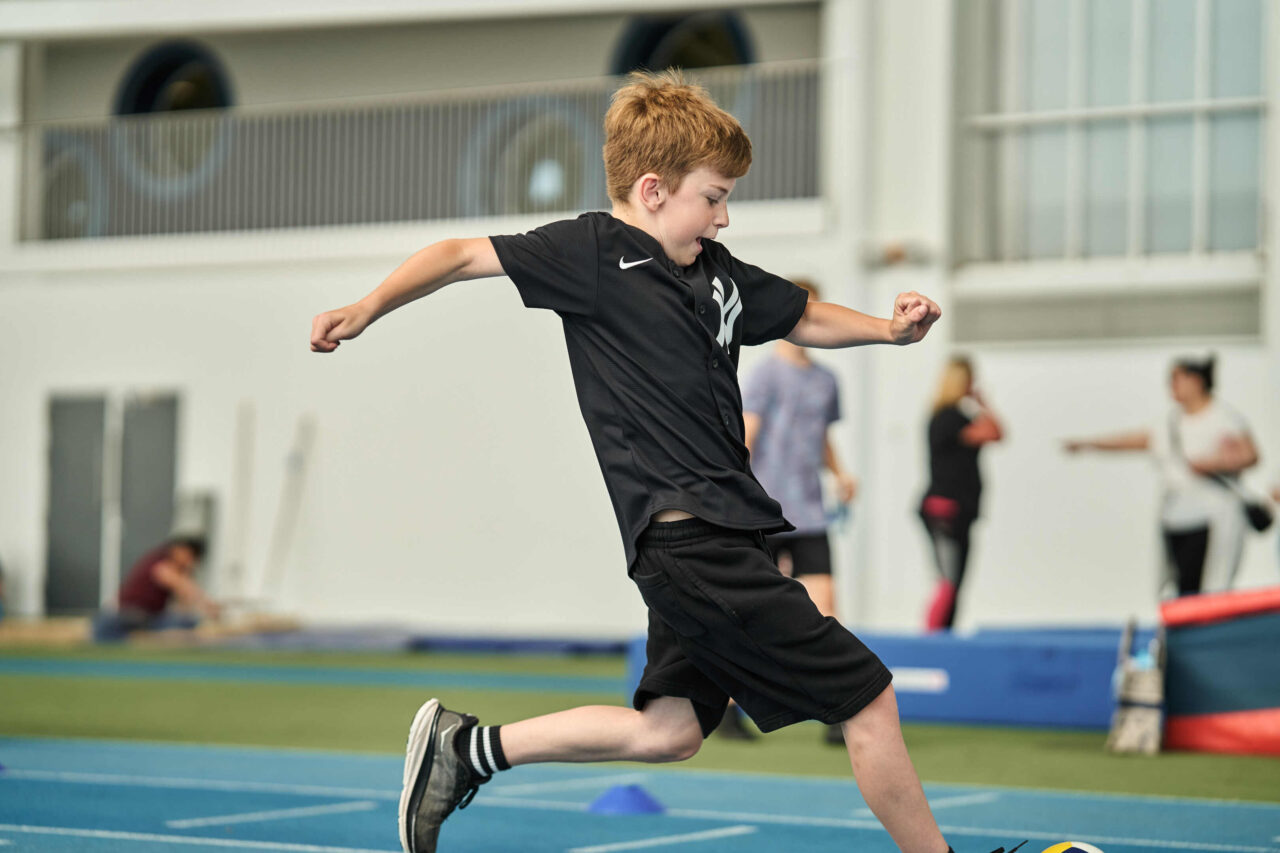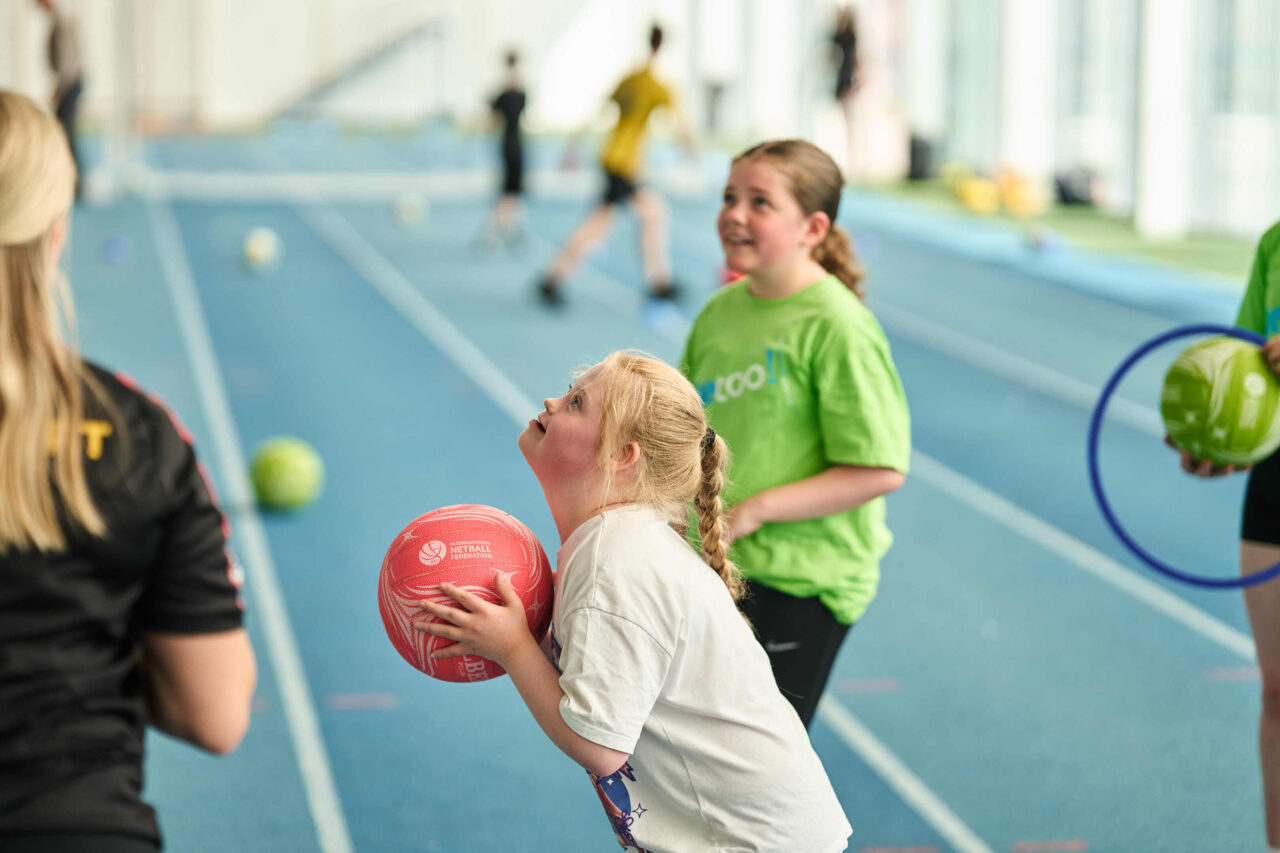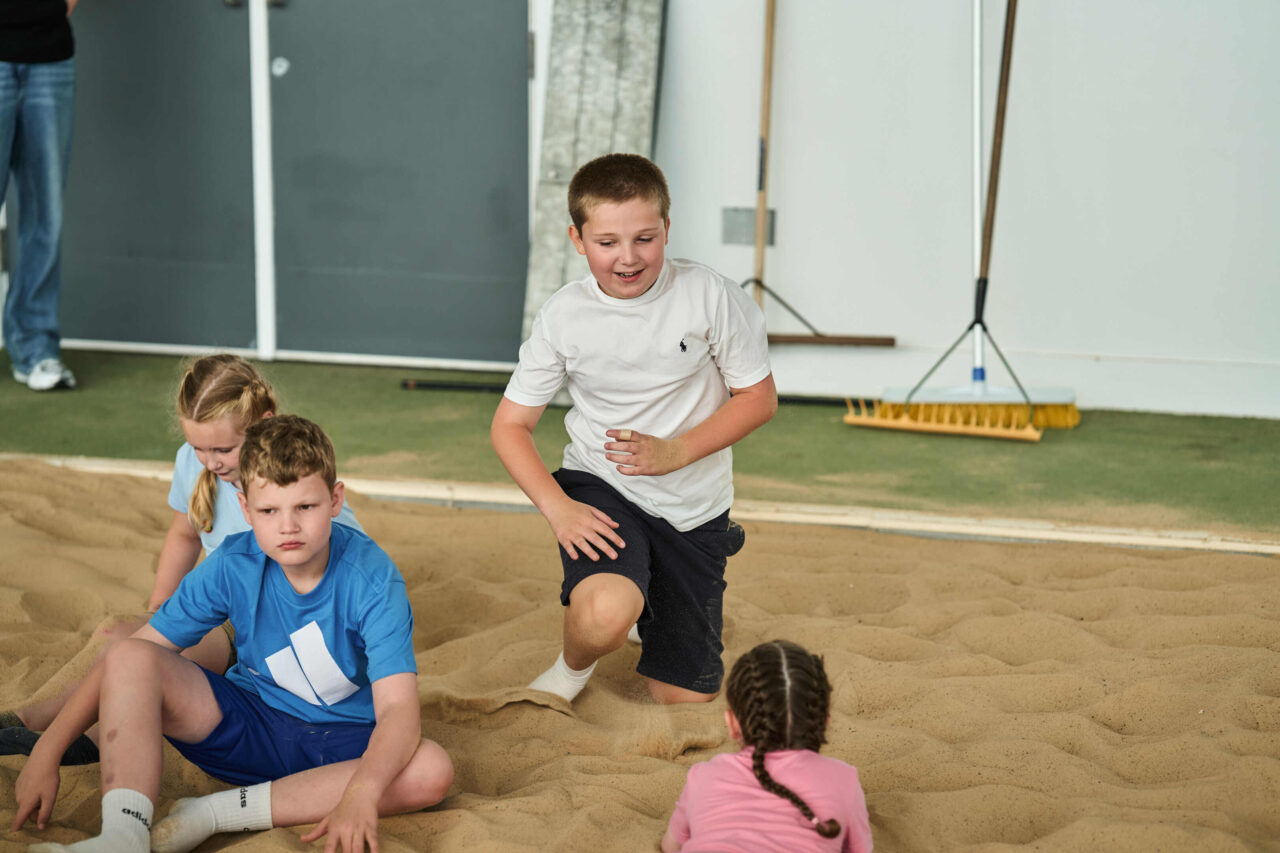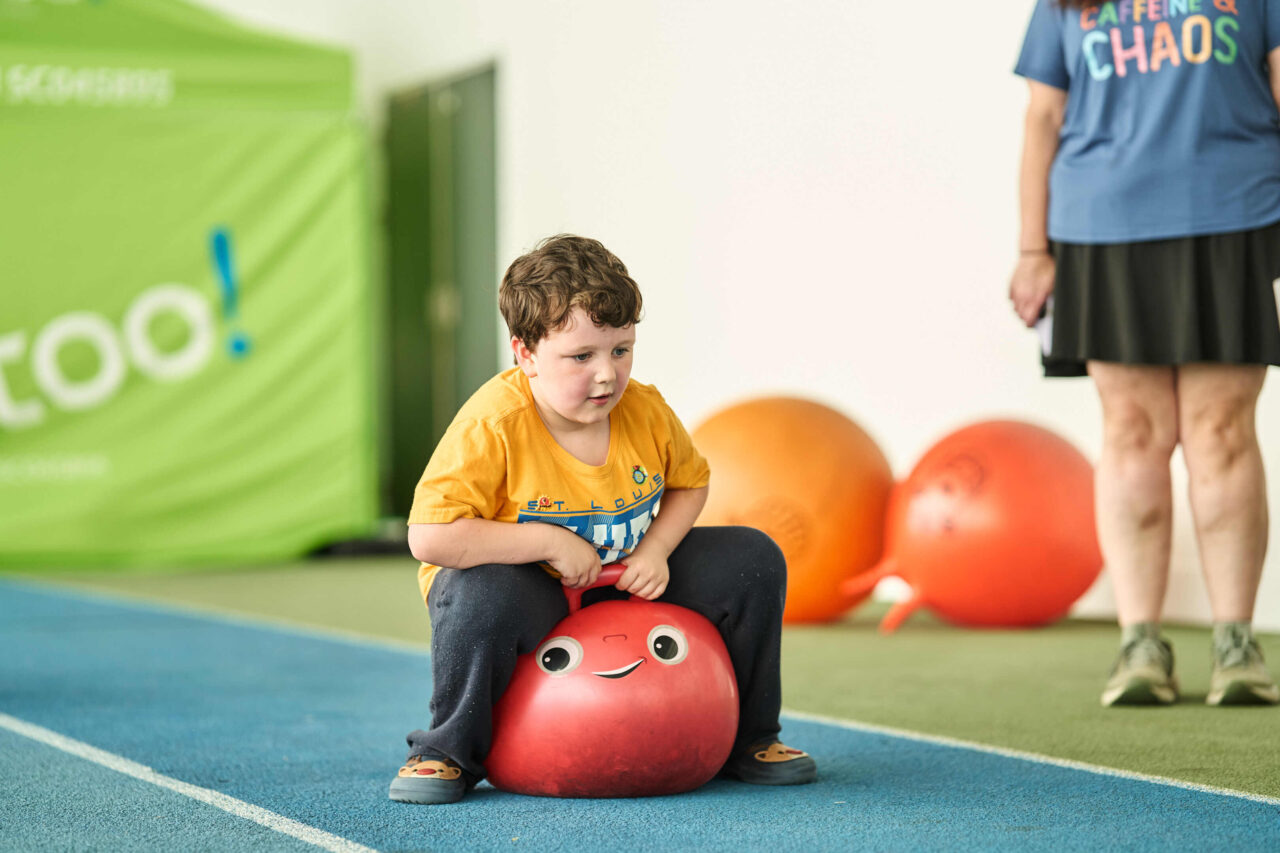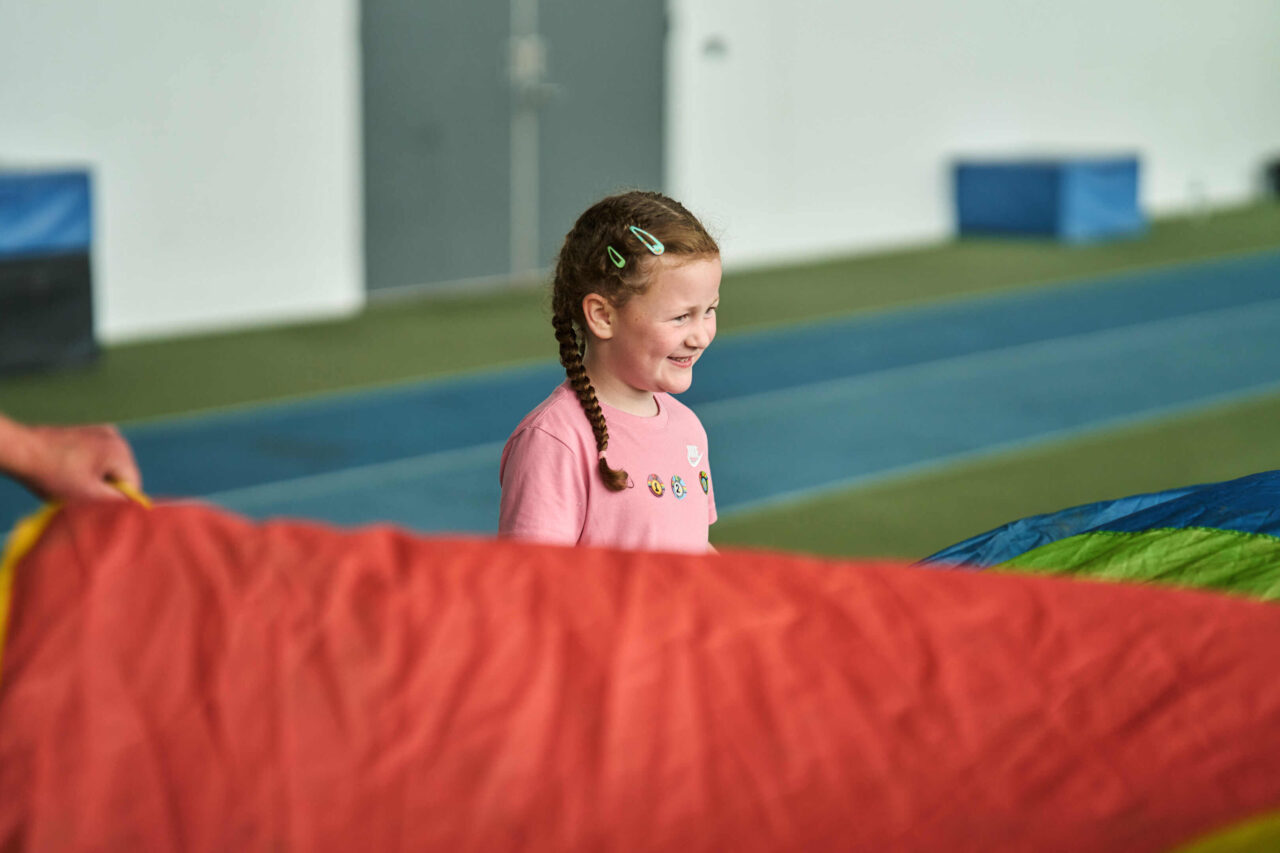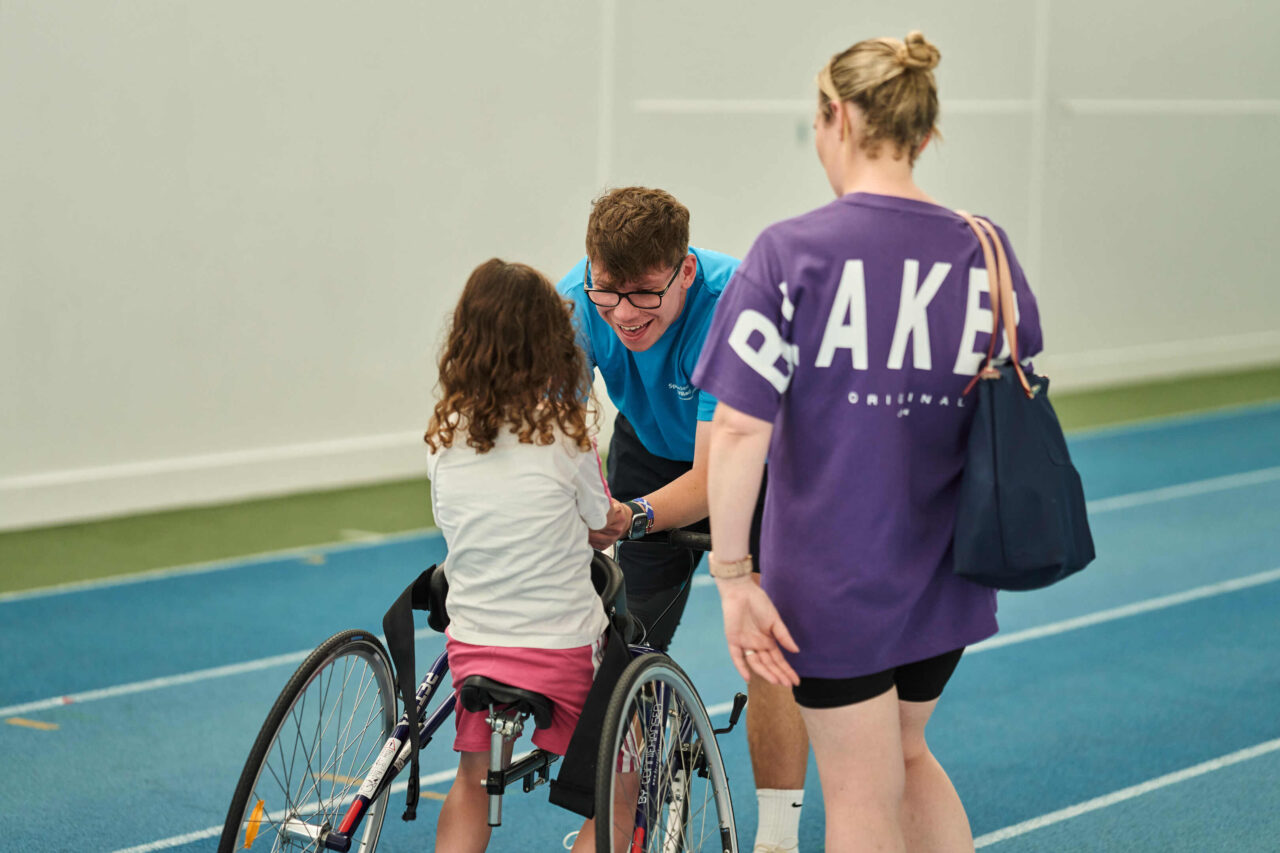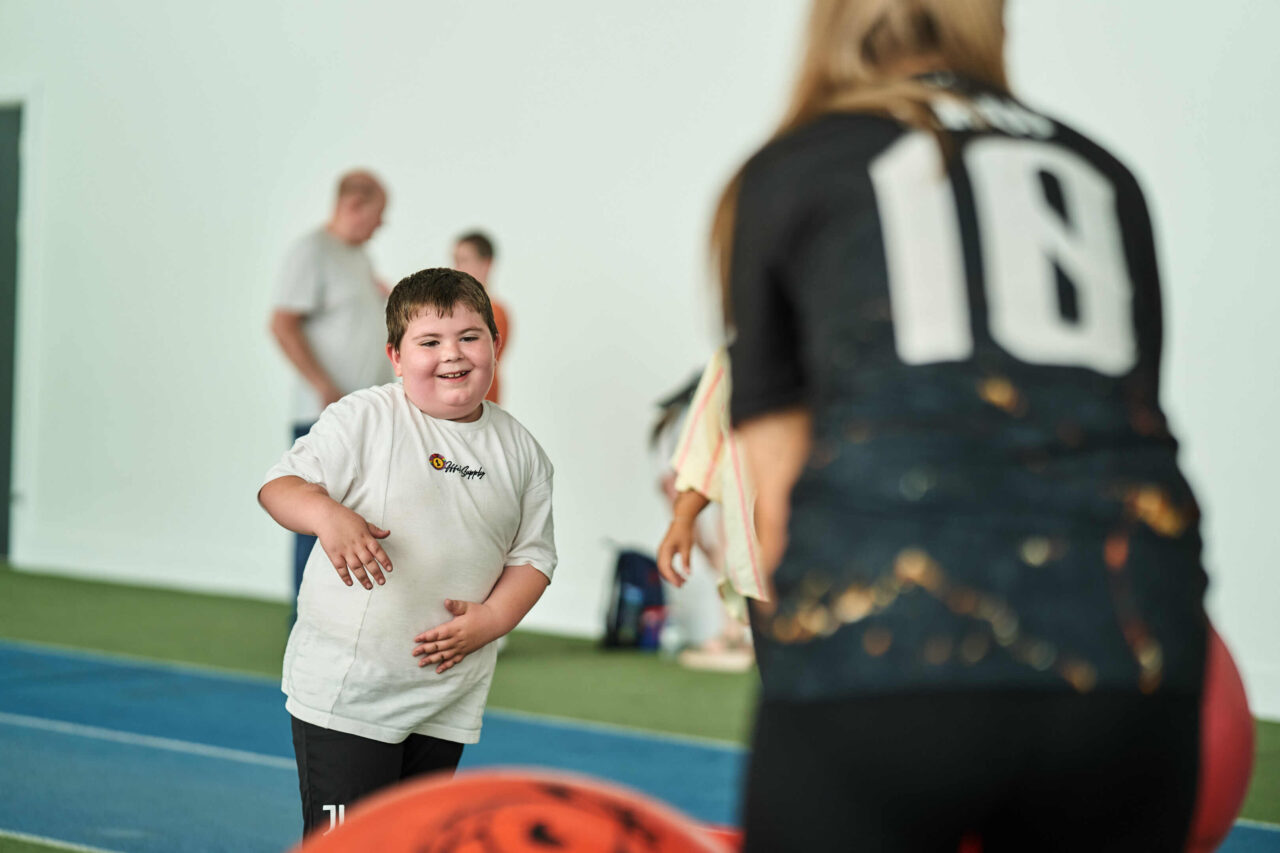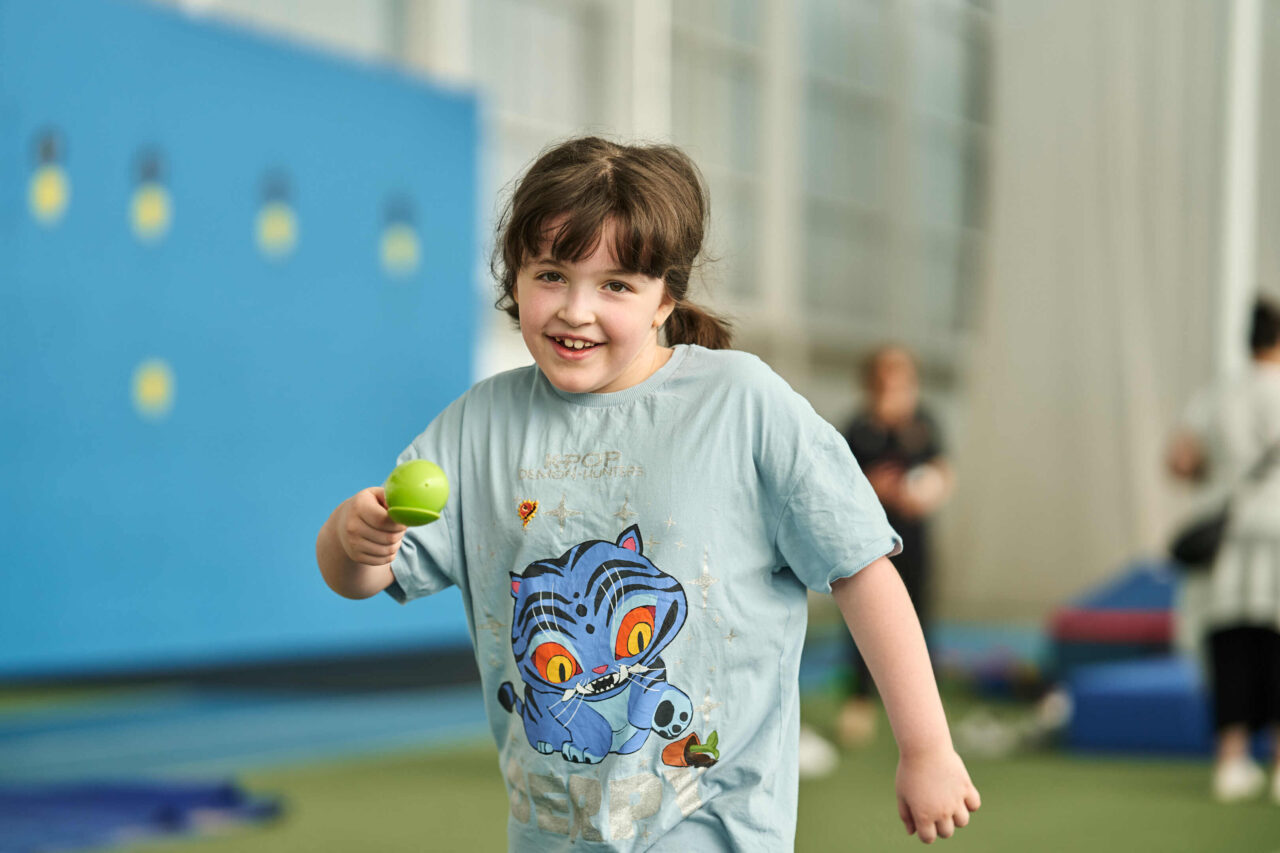
More than 50 children and young people with additional support needs (ASN) enjoyed the first-ever Play Your Way sports event at Aberdeen Sports Village on Thursday 10 July.
Delivered in partnership with We Too! and the Denis Law Legacy Trust, the event welcomed 53 participants from 32 families for a day of relaxed, inclusive sport where every child was encouraged to take part in their own way.
The event marked the first collaboration between the three organisations, bringing together a shared commitment to making sport more welcoming and accessible for children and young people with additional support needs.
Play Your Way builds on the legacy of the Denis Law Community Festival, taking the next step in making sport more accessible by creating opportunities specifically designed for children and young people with additional support needs. It recognises the important role sport plays in building confidence, wellbeing, friendships and a sense of belonging, and ensures those benefits are available in an environment where every child feels safe, understood and supported.
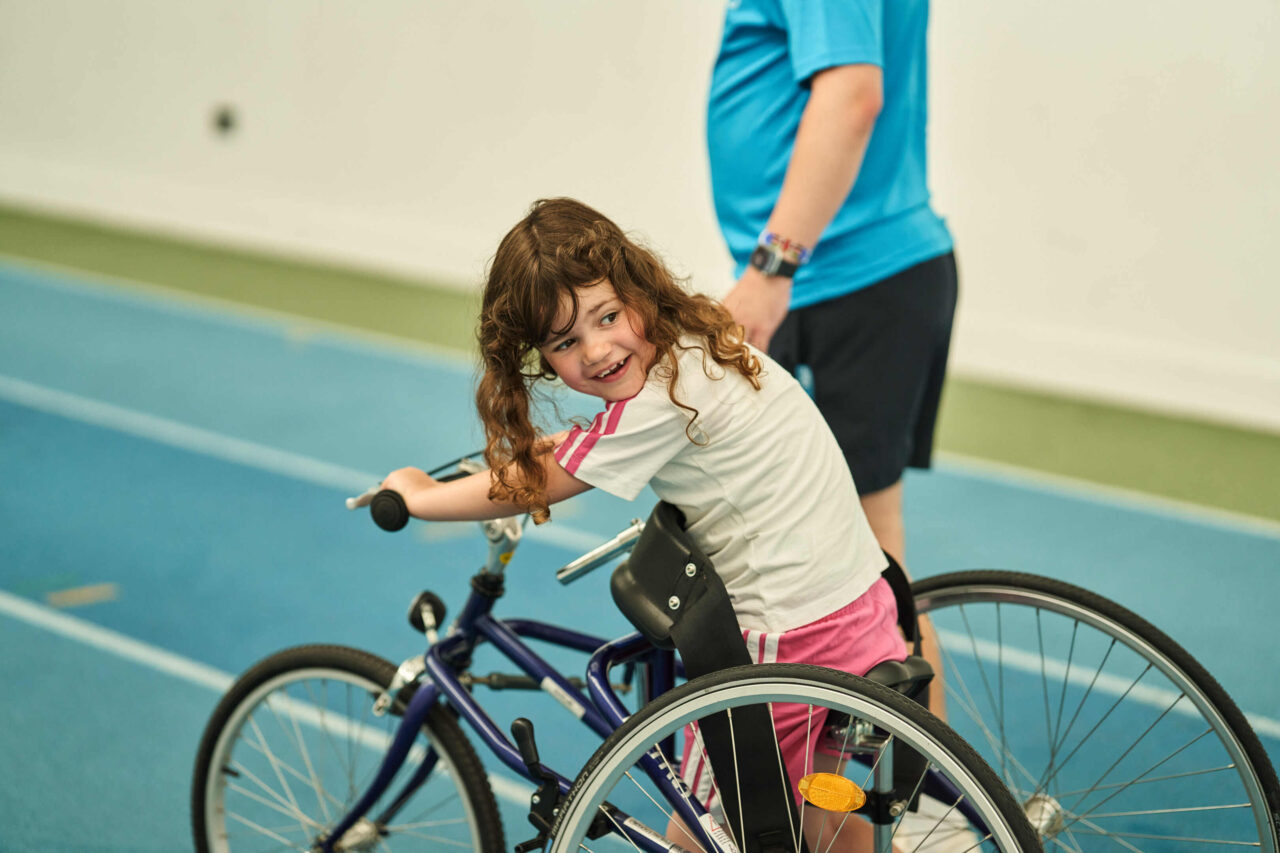
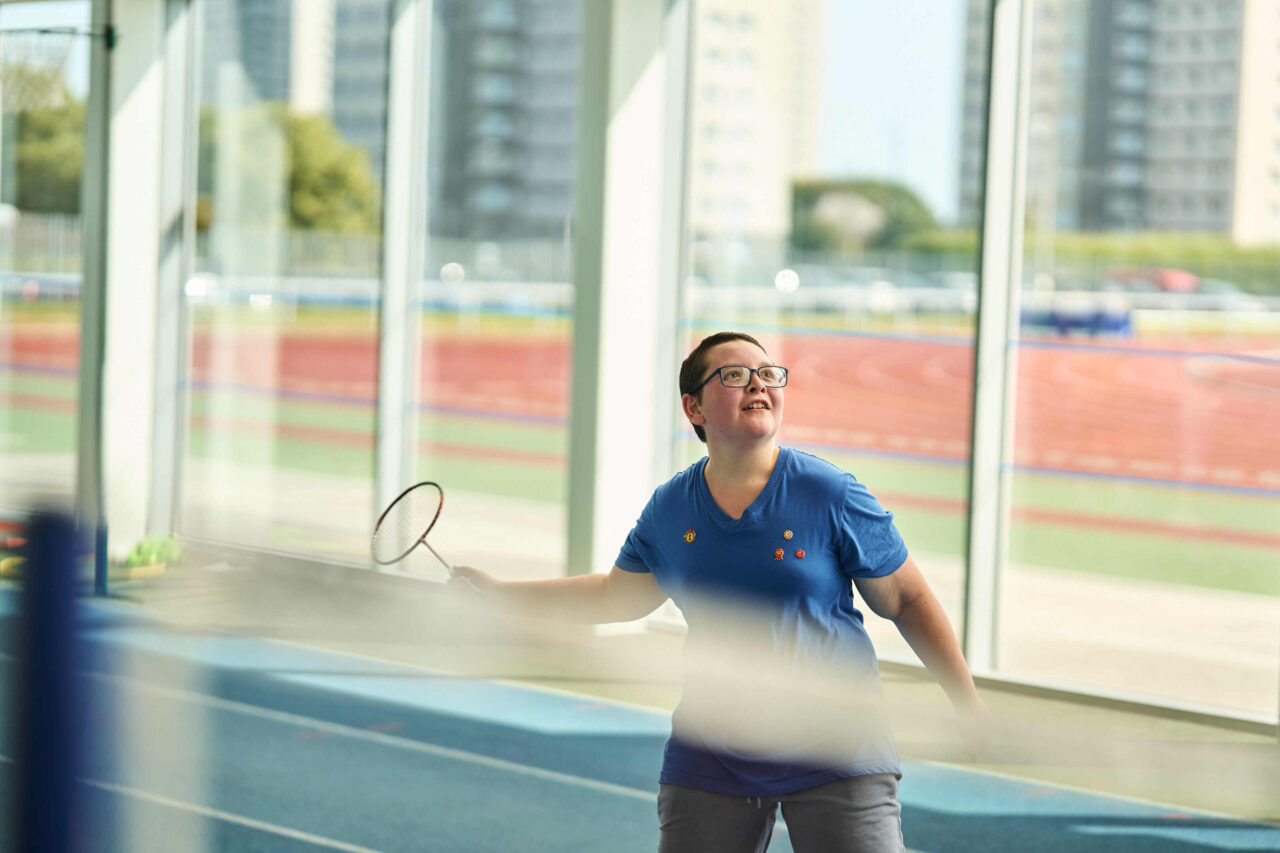
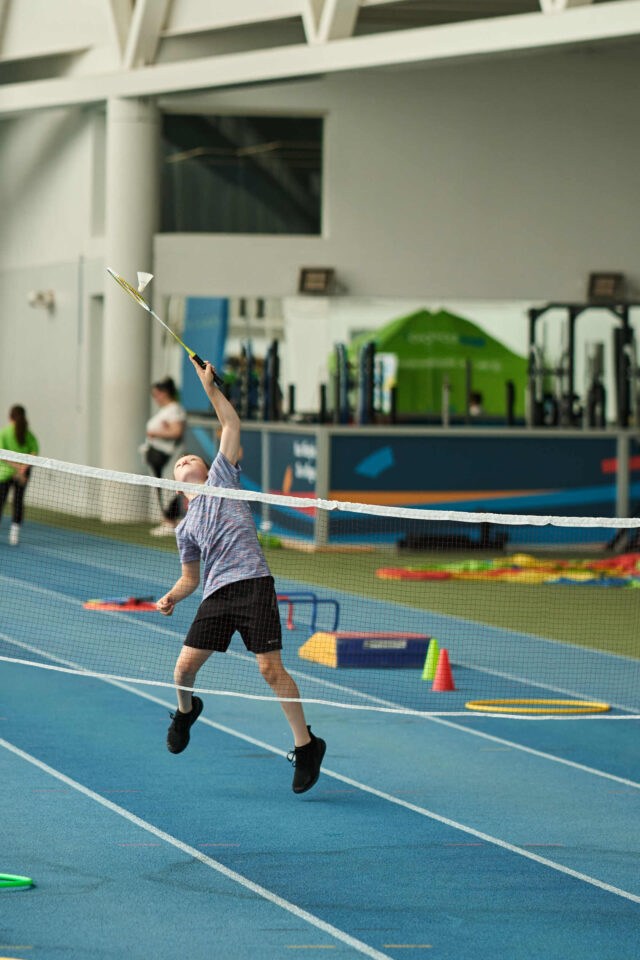
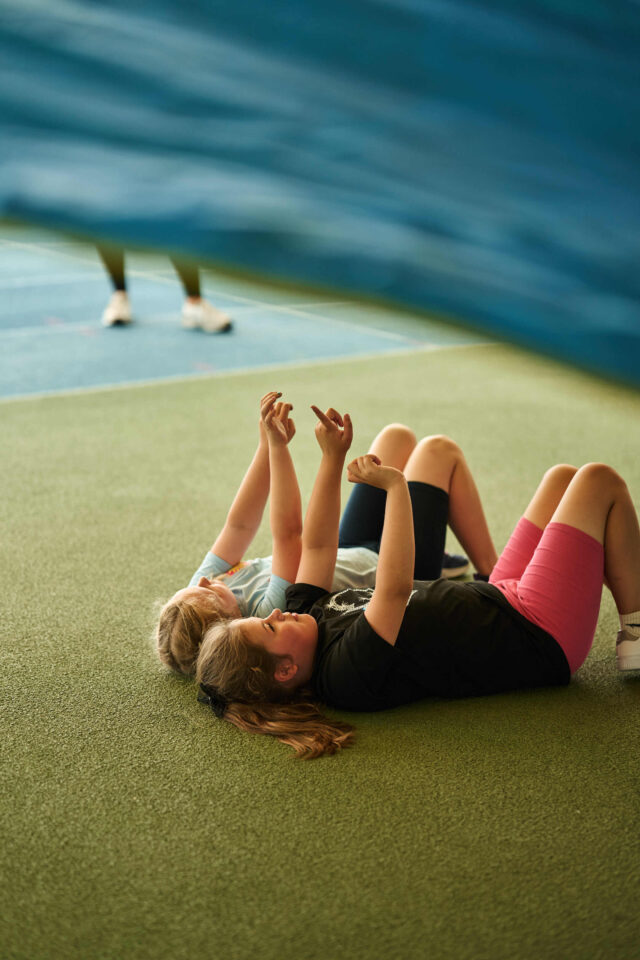
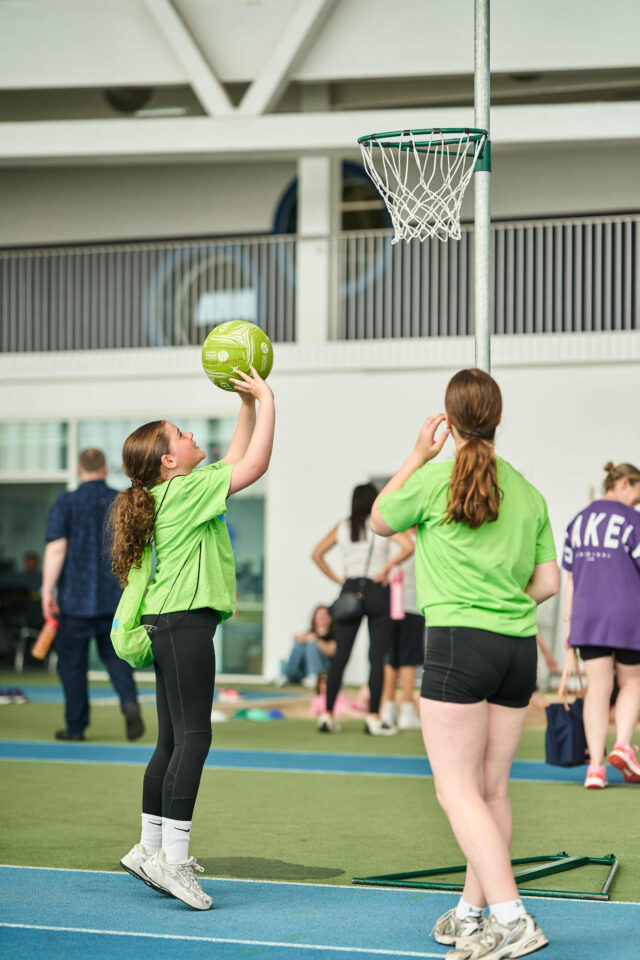
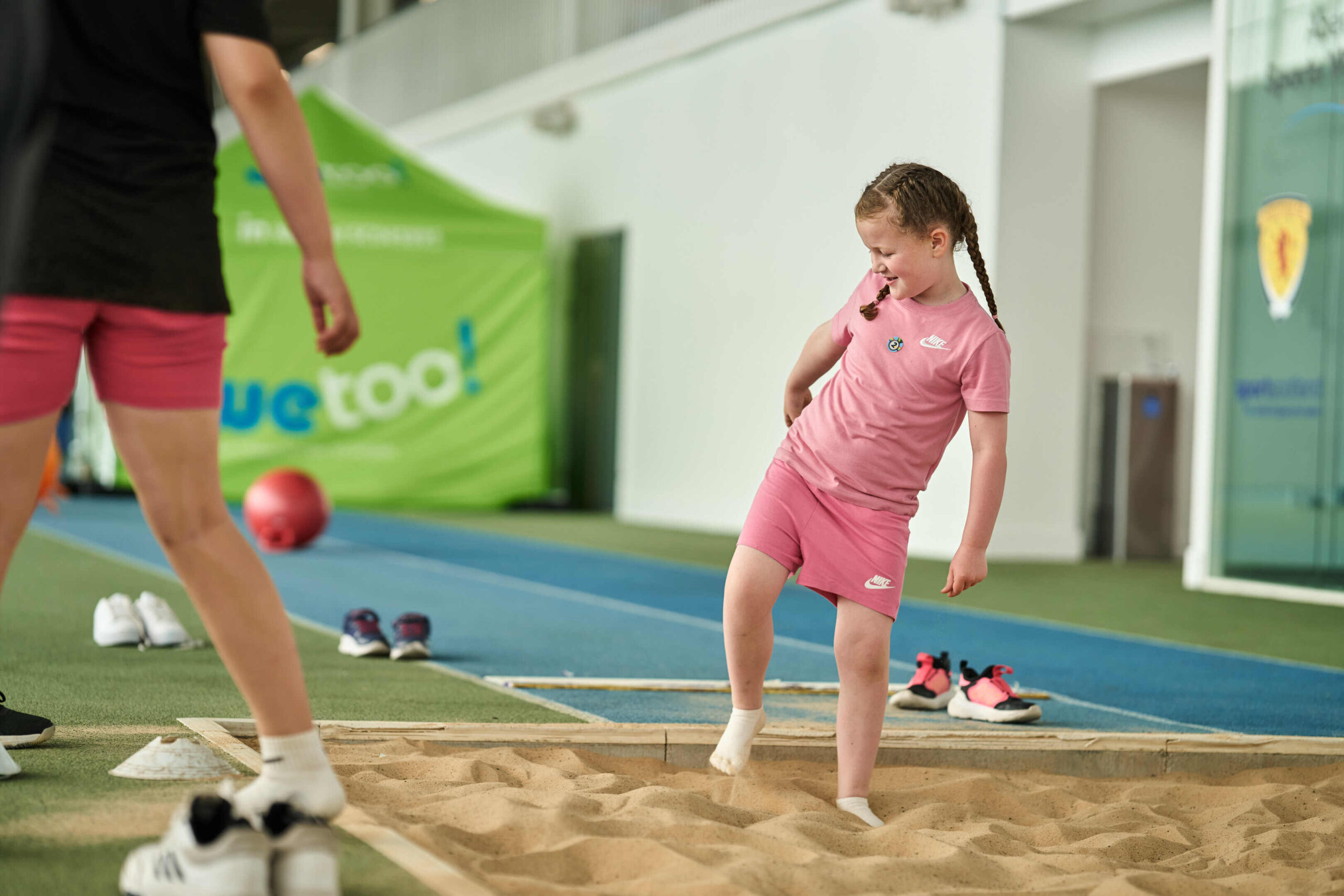
Throughout the day, participants explored a range of activities including football, athletics, basketball, badminton and sensory games. Every activity was designed to be flexible, allowing children to join in however they felt most comfortable, whether that meant trying every activity, taking regular breaks or simply watching before getting involved.
Unlike a traditional sports day, there were no races, scores or winners. Instead, the focus was on creating a safe, encouraging environment where every child could build confidence, enjoy being active and discover a love of sport in whatever way suited them.
Months of planning went into creating the event, with We Too! working closely with the Denis Law Legacy Trust to ensure every aspect of the day reflected the needs of the ASN community.
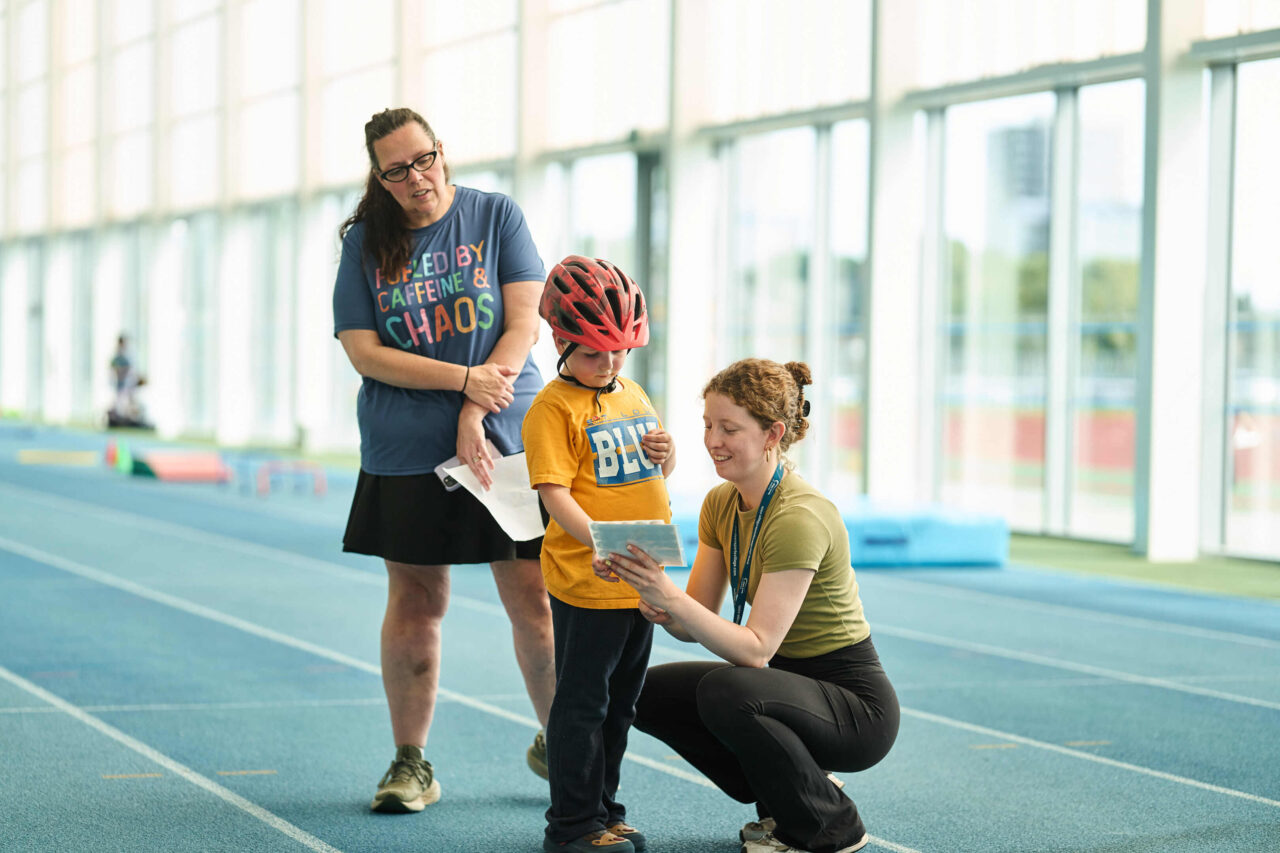
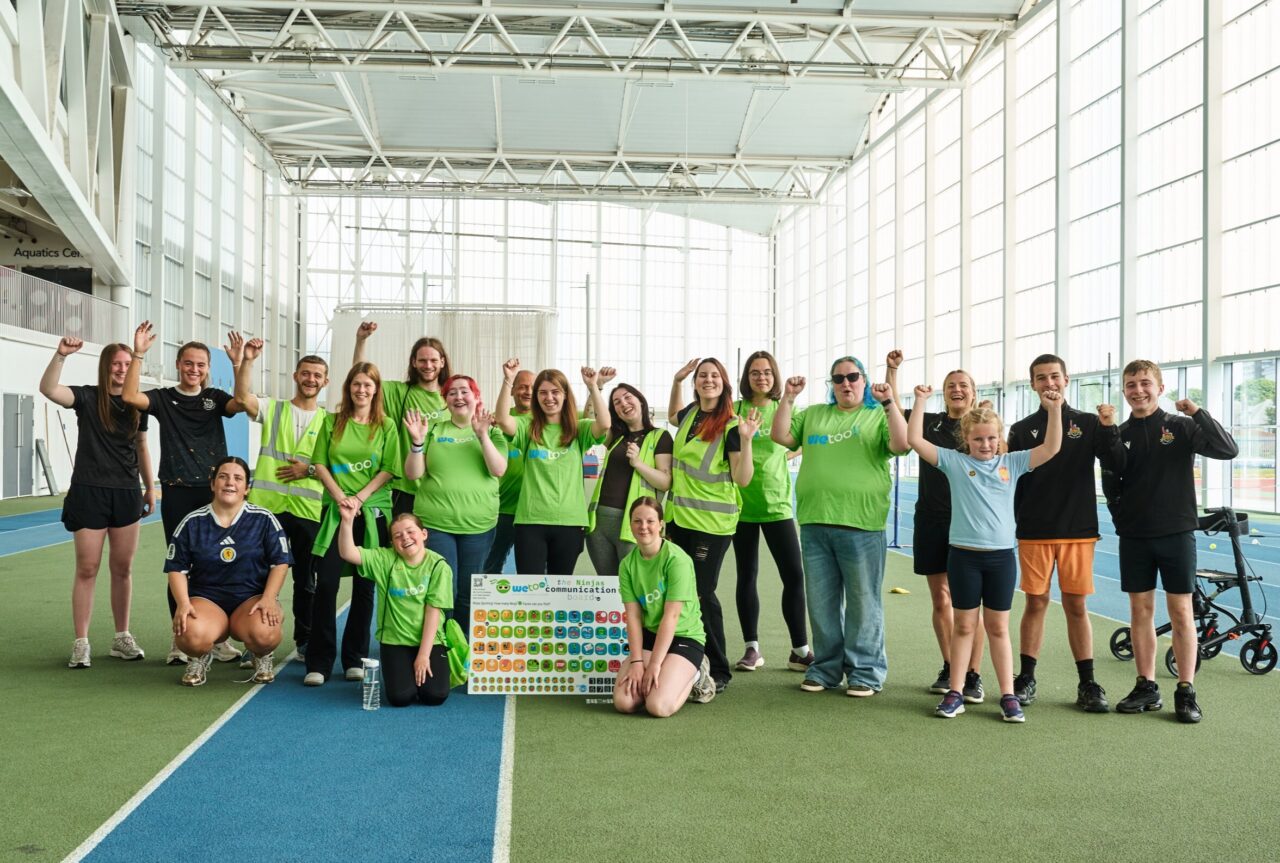
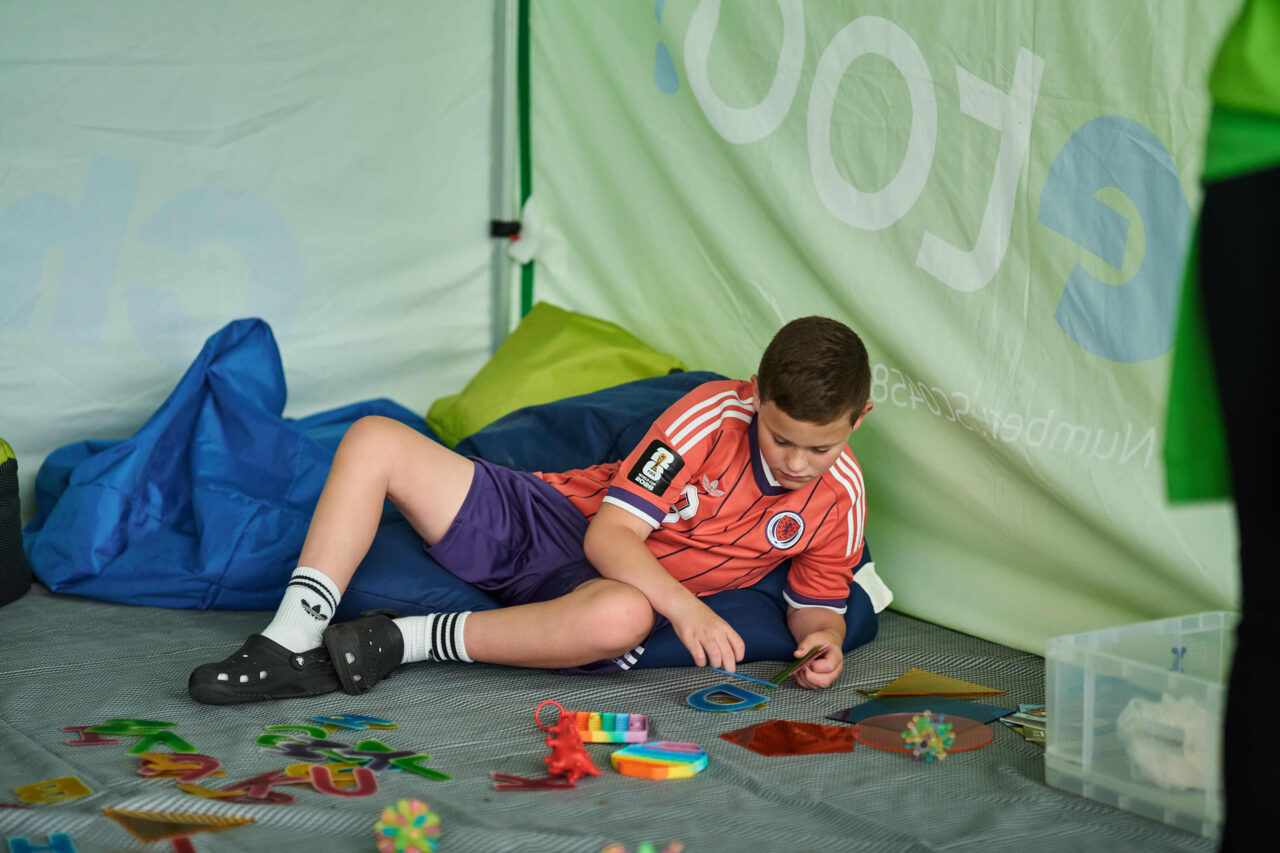
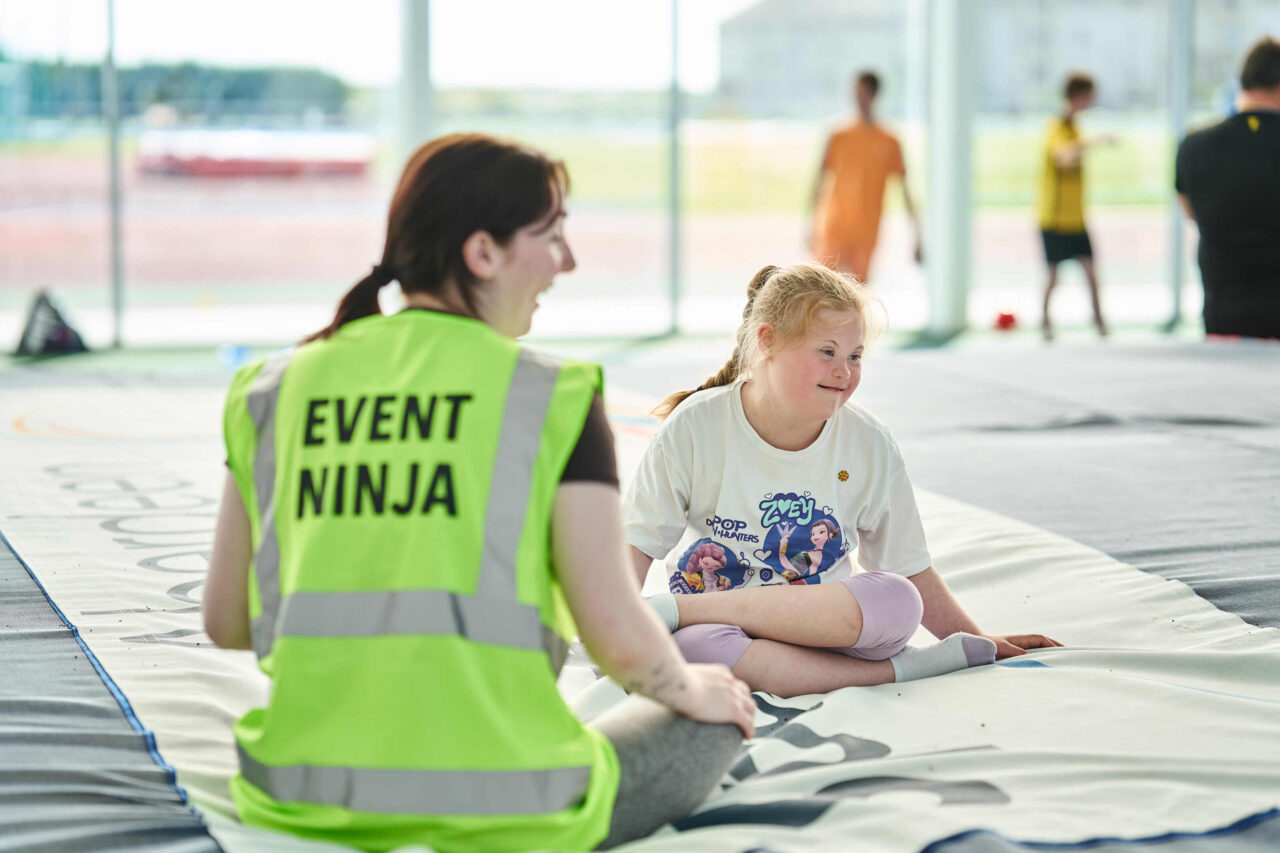
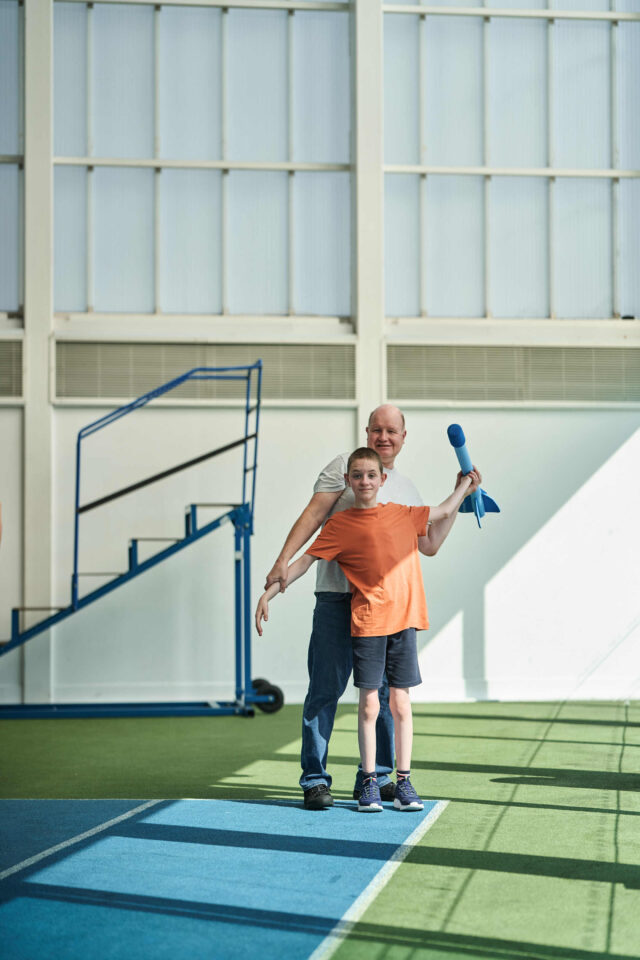
Families received visual guides before the event to help them prepare, while 12 trained volunteers, known as "Ninjas", were on hand throughout the day to offer support. Equipped with sensory backpacks containing items such as noise-cancelling headphones, sunglasses, chew buddies, fidget toys and visual timers, they were able to respond to individual needs throughout the event. Recognising that there was a variety of communication needs in the session, including pre-verbal participants, a communications board was used to ensure that everyone could participate fully and feel respected and valued throughout the event.
The result was an environment where families could truly relax.
For many parents, knowing their child was understood and supported meant they could enjoy the day without worrying about judgement or expectations. In turn, children were free to explore activities at their own pace, grow in confidence, make new connections and, most importantly, experience the joy of simply being active and having fun.
The event also highlighted the work of local charity We Too!, whose small team continues to champion accessibility across the north-east by helping organisations remove barriers for children and young people with additional support needs. Their approach is based on a simple belief: it is often the environment, rather than the individual, that creates barriers to participation.
Graham Morrison, Head of Sport and Events at Aberdeen Sports Village, said:
It was fantastic to welcome so many children and families to ASV for the first Play Your Way event. Seeing children smiling, trying new activities and enjoying sport in a way that suited them was what the day was all about.
We've been proud to host the Denis Law Festival, and now the Denis Law Legacy Games, for several years. Play Your Way is a fantastic addition to that legacy, helping even more young people discover that sport can be welcoming, enjoyable and accessible for everyone.
By bringing together local charities, volunteers and community partners, Play Your Way demonstrated how thoughtful planning and small adaptations can make a lasting difference.
Every child deserves the opportunity to enjoy the physical, social and emotional benefits that sport can bring, and for many children and young people with additional support needs, that starts with creating an environment where they feel safe, understood and free to simply play their way.